Skip to content

K2 Condominiums

K2 Condominiums

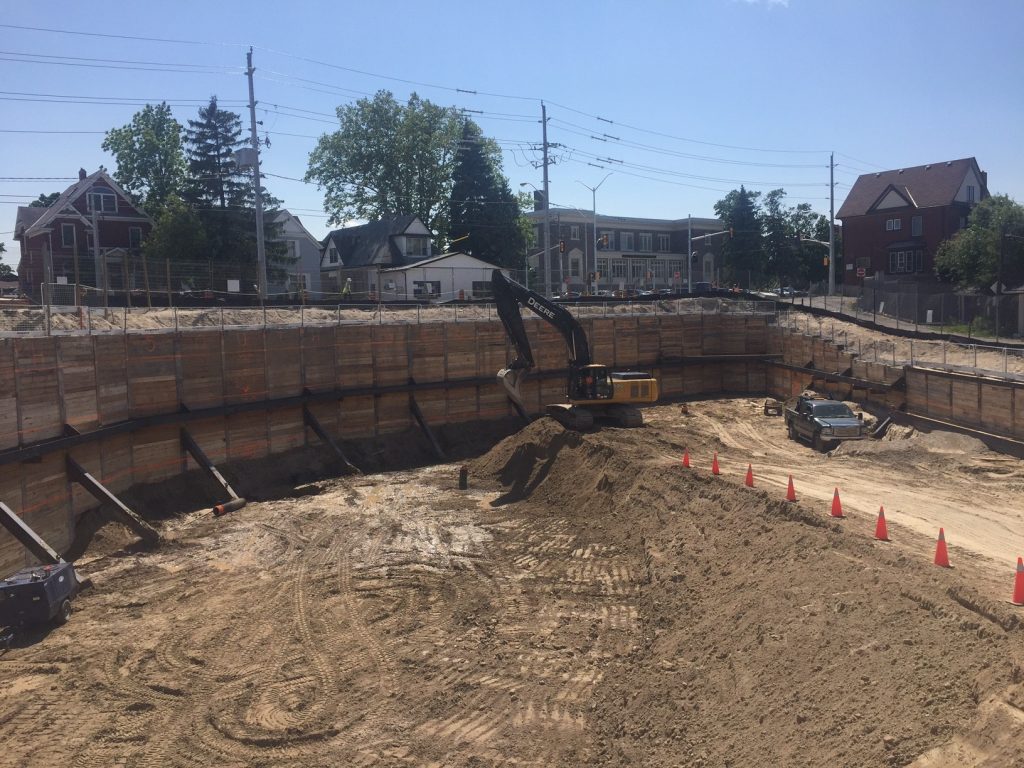
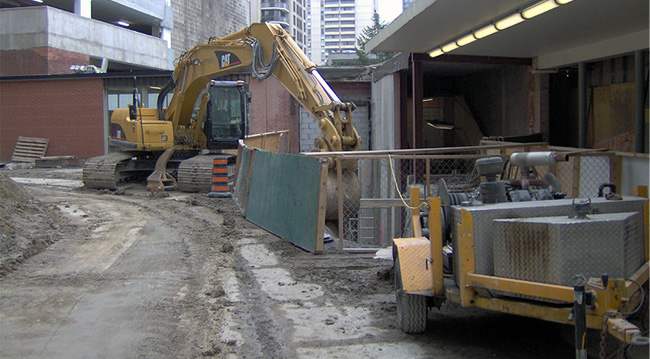
This development on King Street in Waterloo required approximately 15,000 SF of shoring for two levels of underground parking. RWH Engineering Inc. (RWH) designed a piles and lagging shoring system with rakers to reach depths up to 9 meters. Wet fine sands required careful excavation and lagging in small lifts to ensure no ground loss occurred. High surcharges imposed by surrounding buildings required the rakers to be jacked in order to lock in the design load to minimize shoring movement.

Due to HCM’s efficient construction and project management, this project finished on time and on budget

Client: U.I.D. Developments Inc.
Location: Waterloo, Ontario
Talbot Street

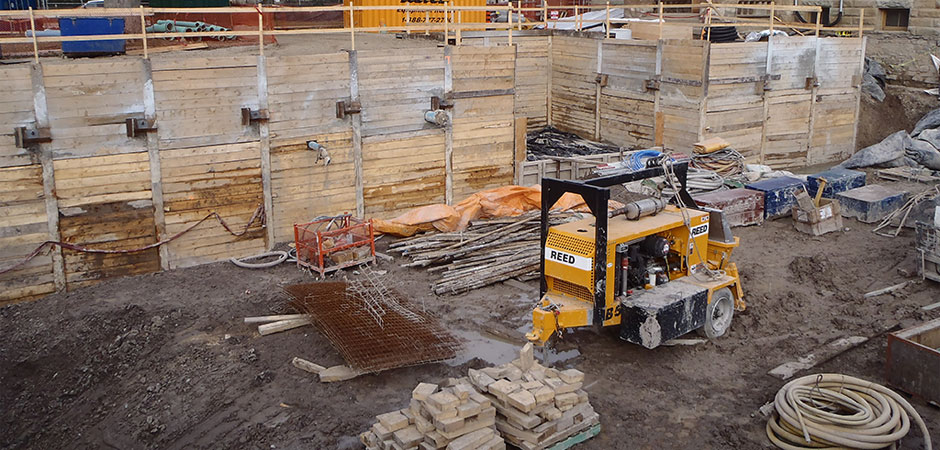
Talbot Street HCM completed the design-build shoring for the Azure condominium project in downtown London. Due to the soil conditions encountered during initial drilling, a full depth caisson wall was
Read More
Guelph Civic Administration Complex

Guelph Civic Administration Complex

Complex Shoring Requires Innovative Design Work on this site involved the supply and installation of caissons, underpinning, rock anchors, as well as both traditional soldier pile and lagging and shotcrete
Read More
Credit Valley Hospital

Credit Valley Hospital

Alternative to Save Time and Money The Credit Valley Hospital in Mississauga, Ontario is undergoing a massive expansion and renovation. HC Matcon was brought in to undertake the shoring, underpinning,
Read More

Brantford General Hospital

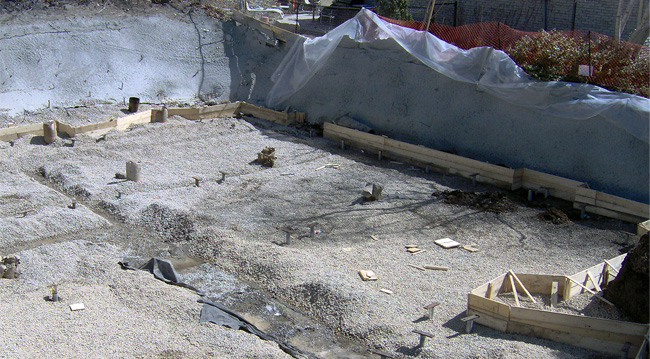
Brantford General Hospital This innovative project represents the first use of shotcrete shoring in place of caisson walls against a building in Ontario. Caisson walls have typically been utilized duw
Read More

Mapleview Drive

Mapleview Drive The expansion of Mapleview Drive in Barrie required track protection for an existing railway overpass. HCM was retained to install a strutted piles and lagging shoring system. RWH
Read More

Maxwell Bates

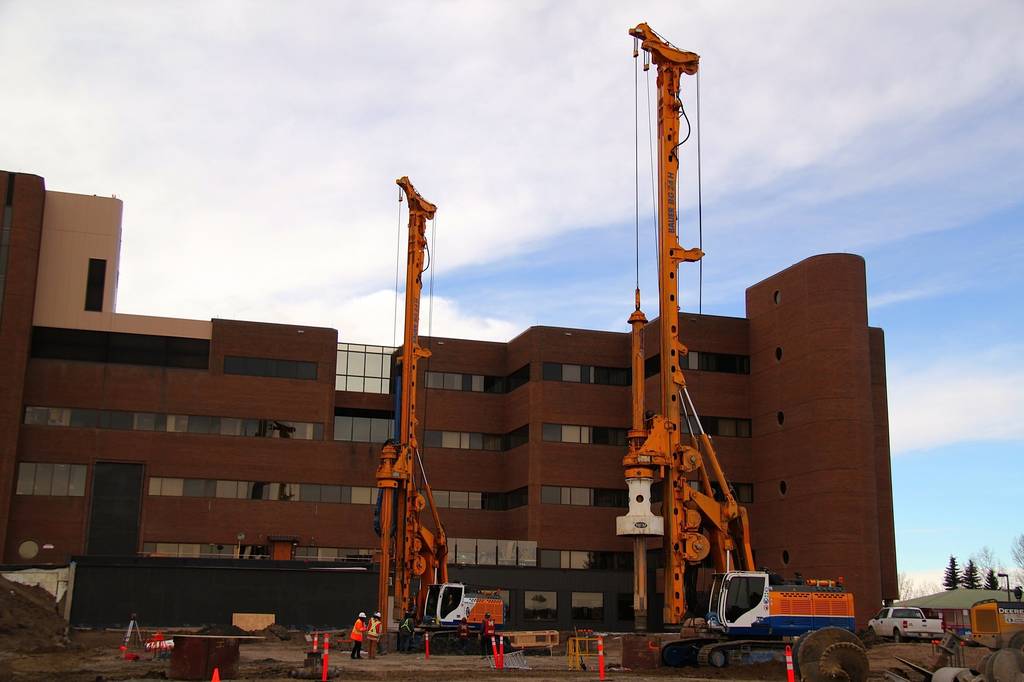
Maxwell Bates This project, located on Fourth Street in the downtown core of Calgary, consisted of a tied-back continuous caisson wall.  The caisson wall provided zero ground loss and minimal
Read More